Microdrama studio
The AI microdrama maker built for vertical series.
Microdrama is the fastest-growing format in video, and it punishes every weakness an AI tool has: eighty episodes, one cast, a hook in the first three seconds, a cliffhanger every ninety. PyxelJam Studio was built as a production pipeline, not a clip generator, and that is exactly what a vertical series needs.
300 free credits on signup. No card.
What Is a Microdrama?
A microdrama is a serialized drama made for phones: vertical 9:16 episodes of one to three minutes, usually fifty to a hundred per season, each opening on a hook and ending on a cliffhanger. Apps such as ReelShort, DramaBox and ShortMax distribute them, and the format grew into a multi-billion-dollar market in China before spreading to the West. Making one with AI means solving three problems at once: a cast that looks the same across every episode, dialogue that lands, and a pace that keeps a thumb from scrolling.
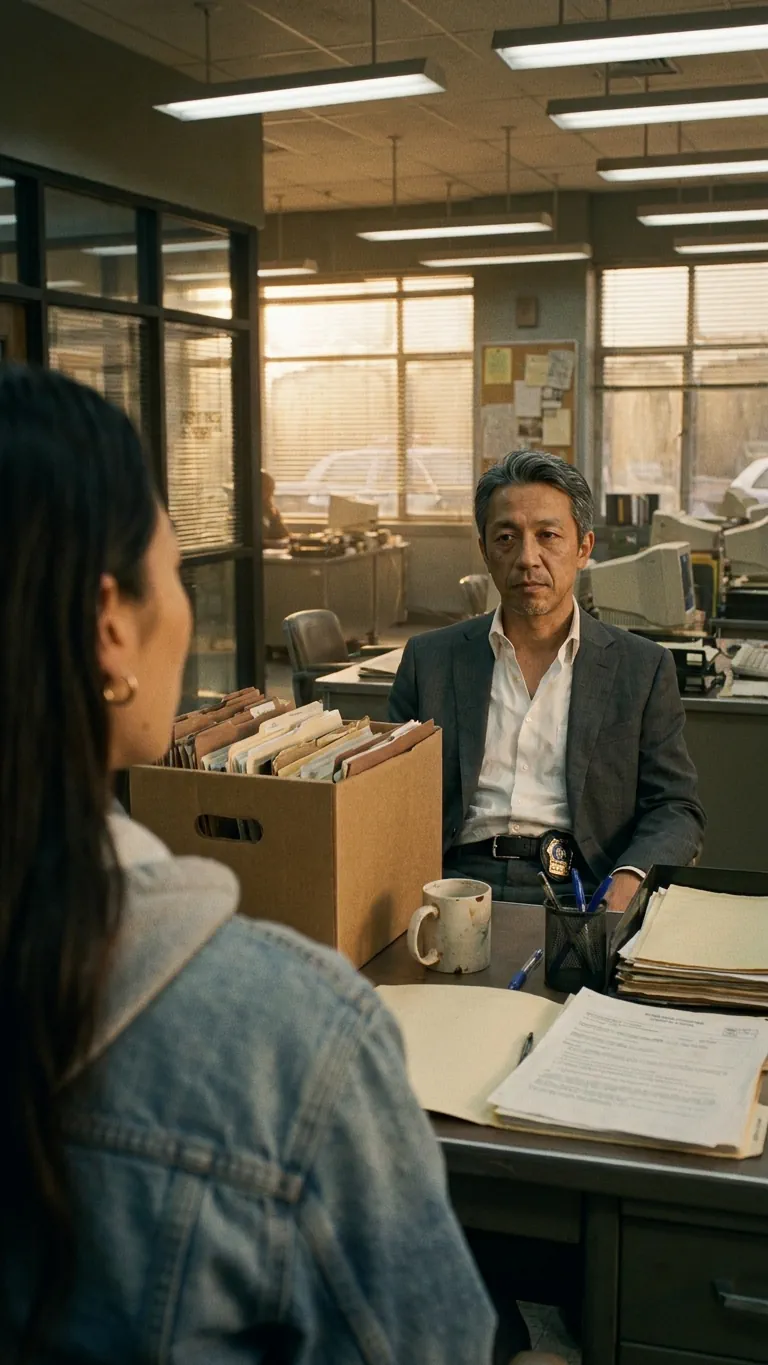
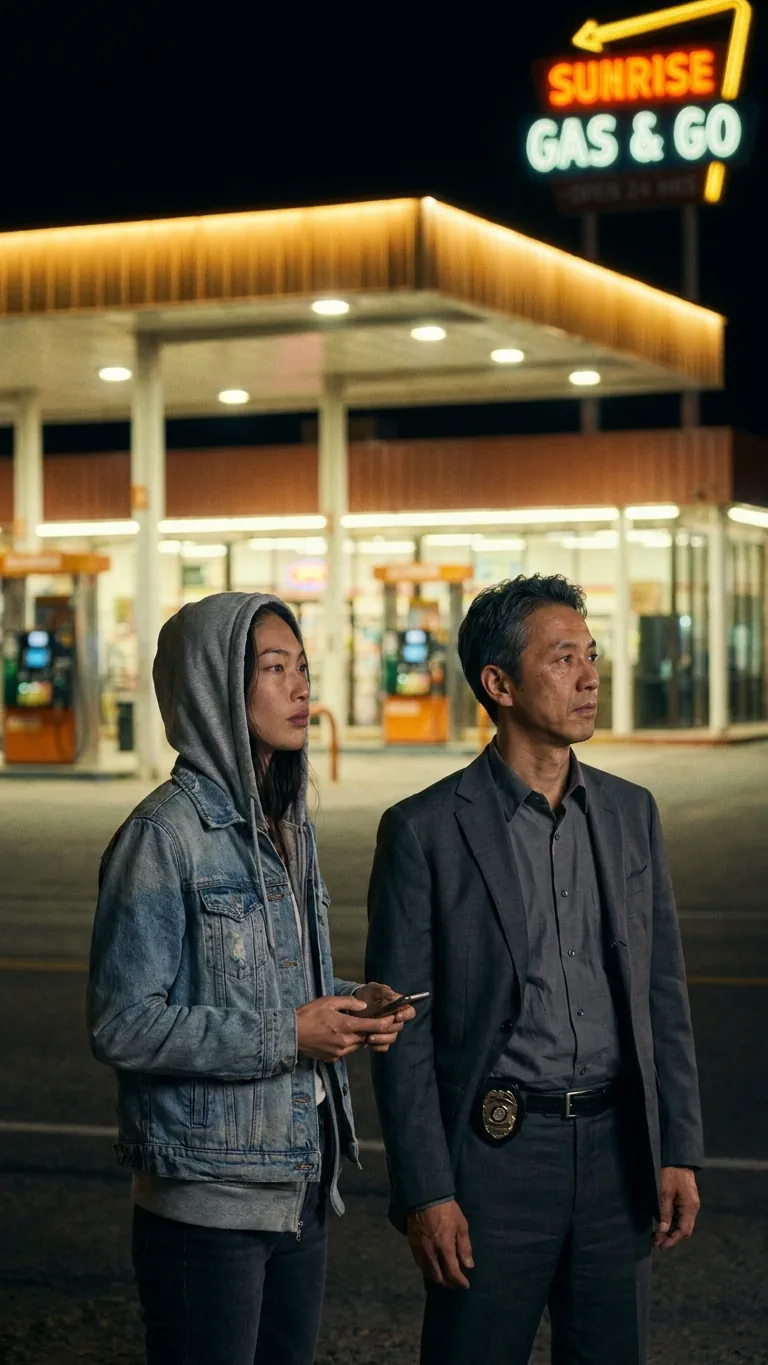
Consistent Cast. Every Episode.
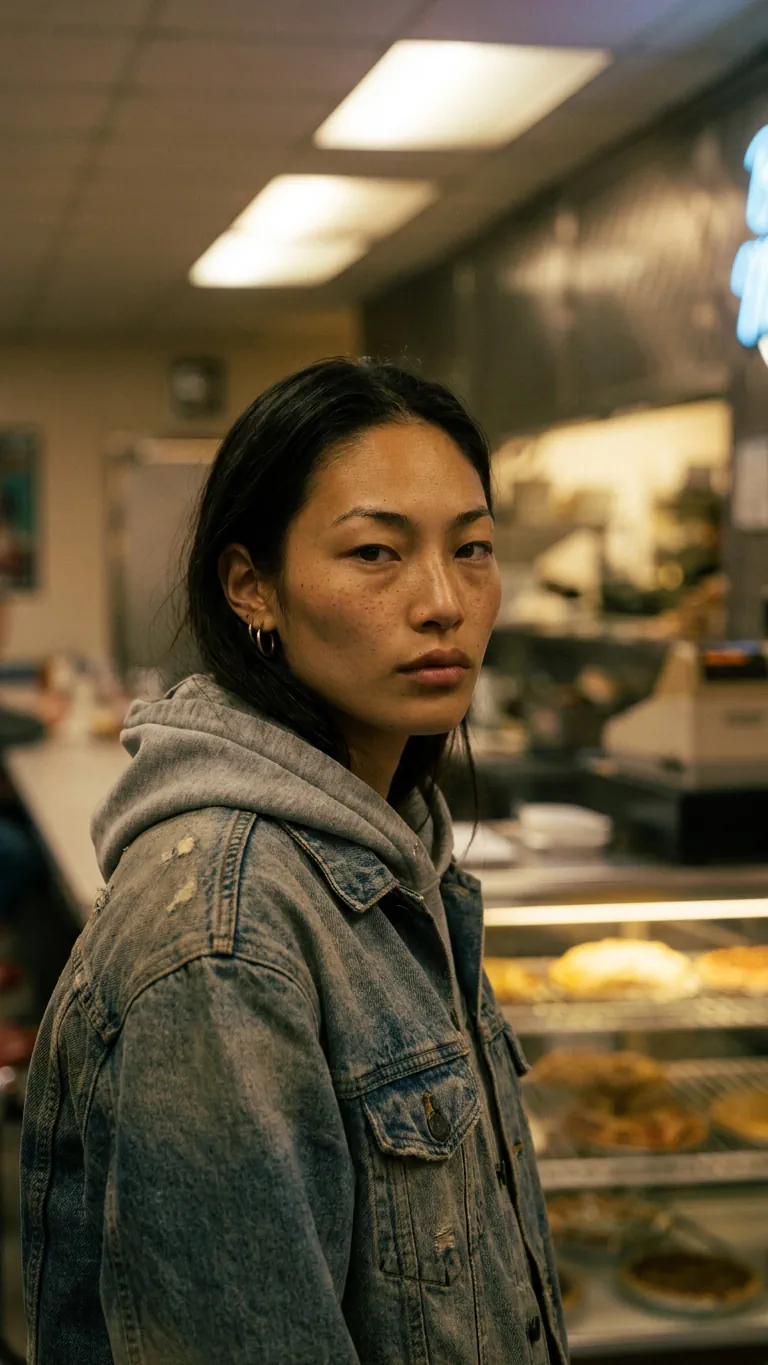
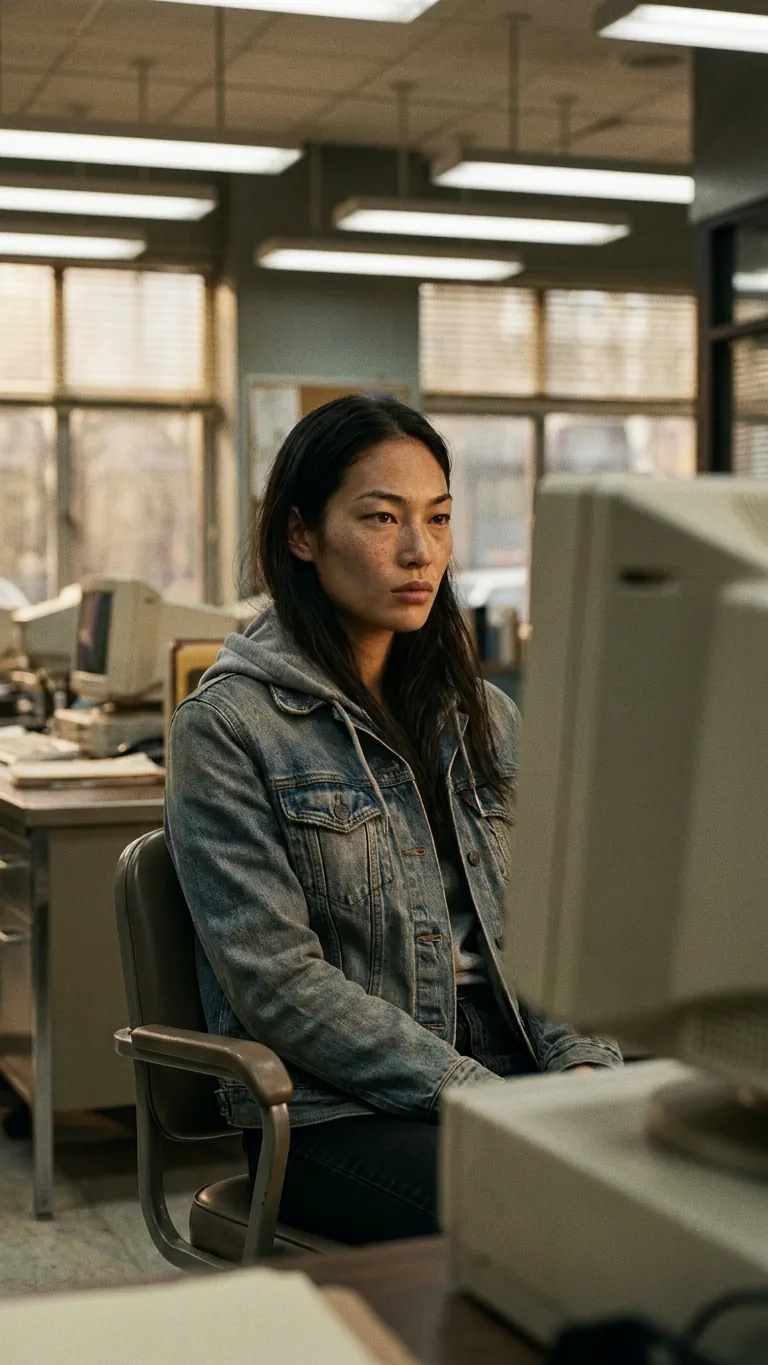
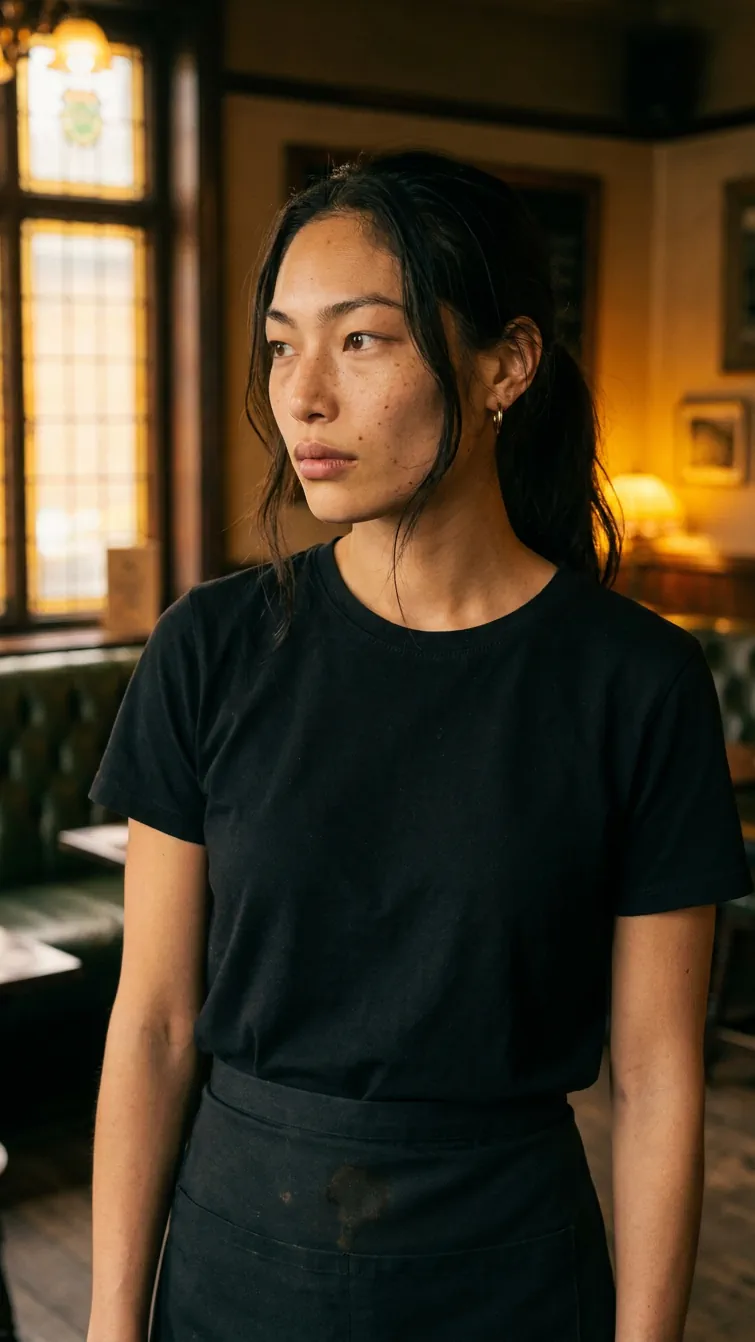
Create engaging episodes where your characters always look the same - and always wear the correct clothing from your wardrobe department, and continuity check is enforced on every frame.




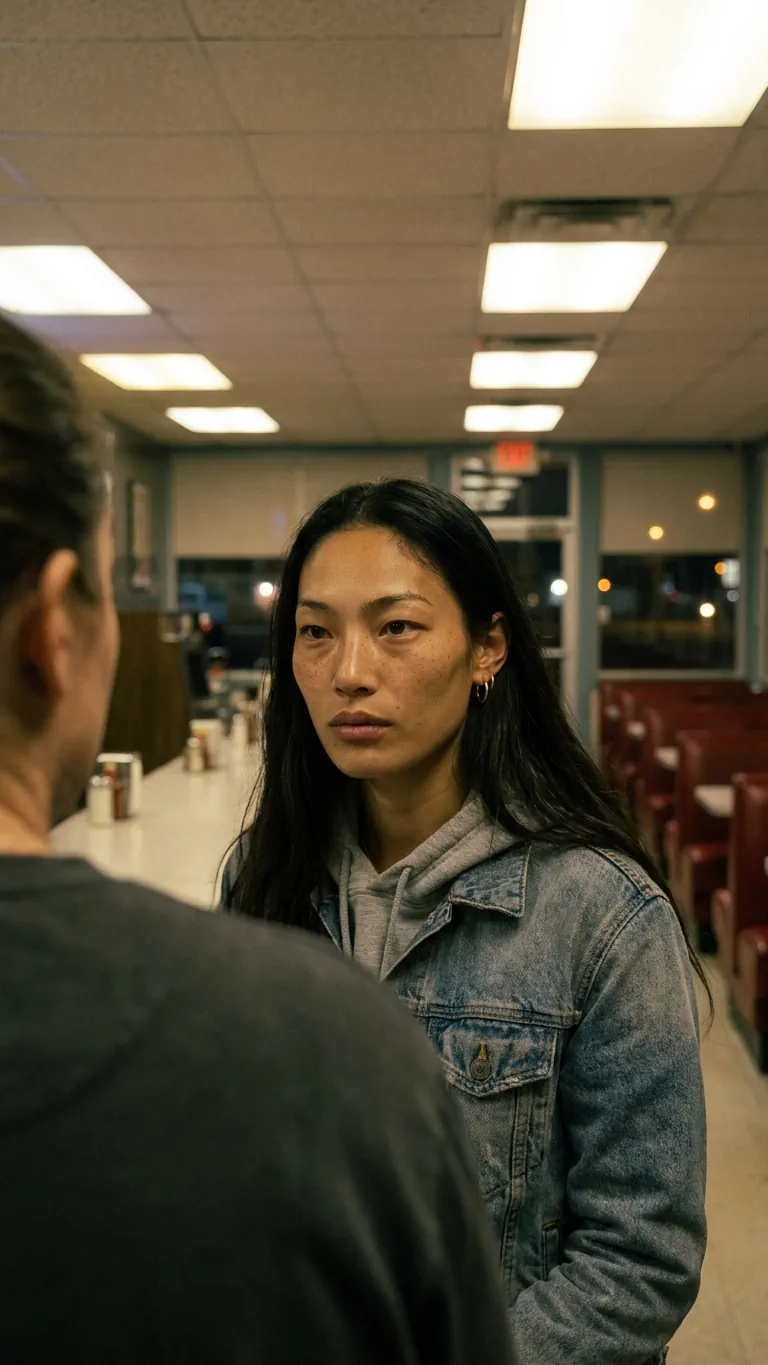
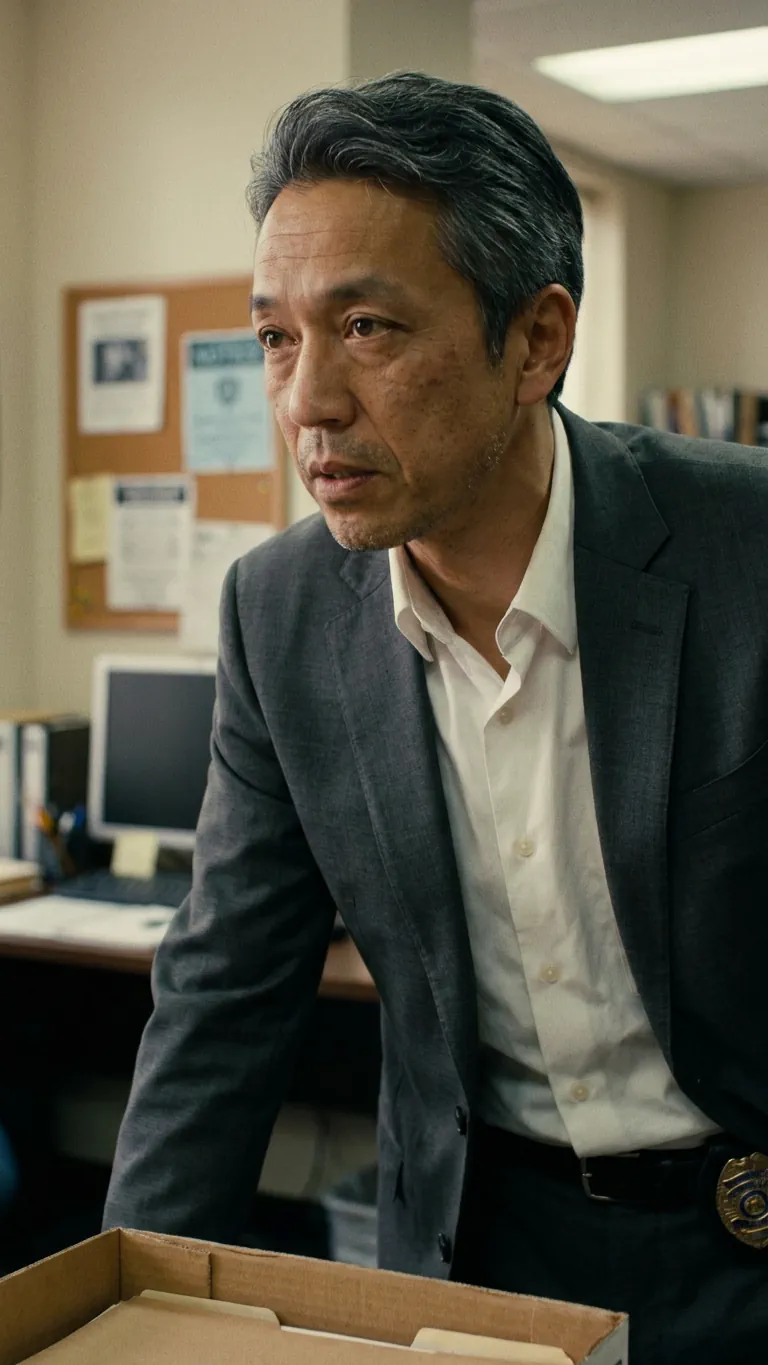
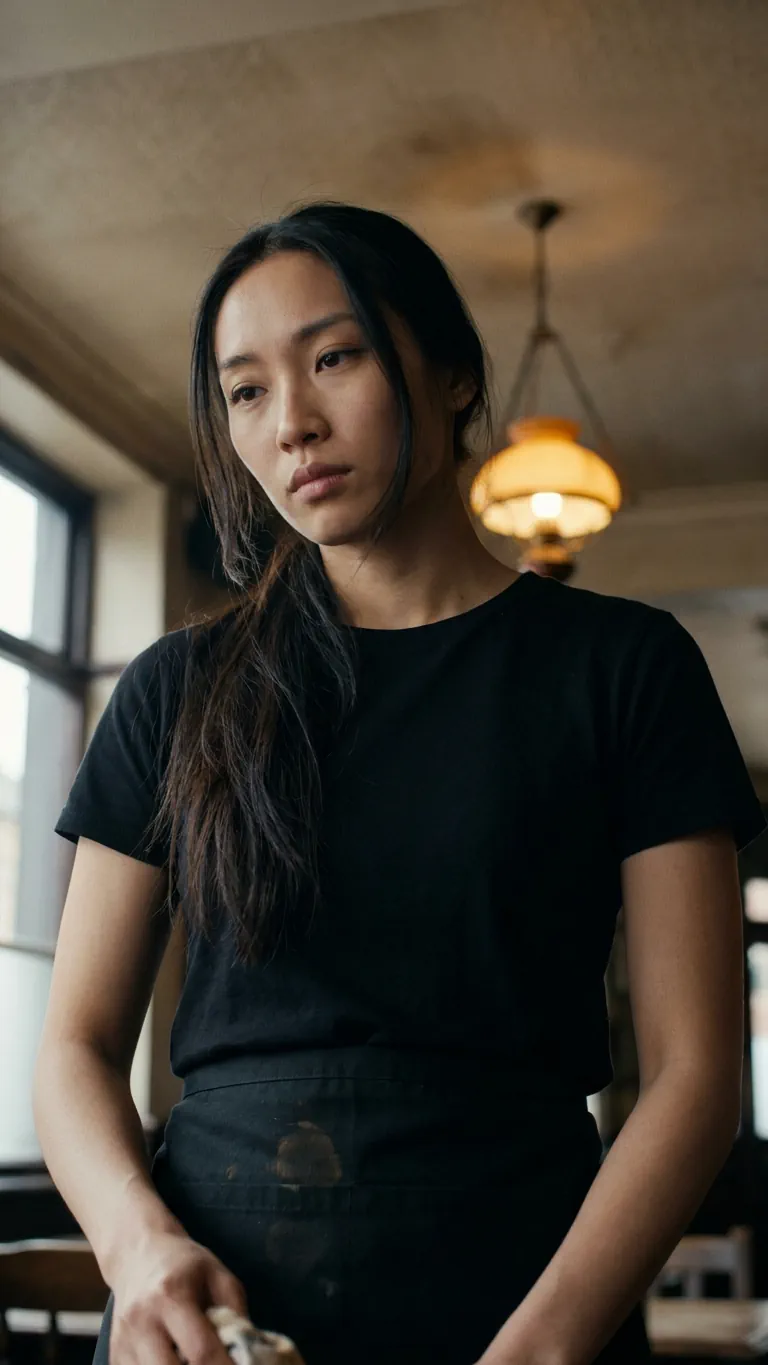


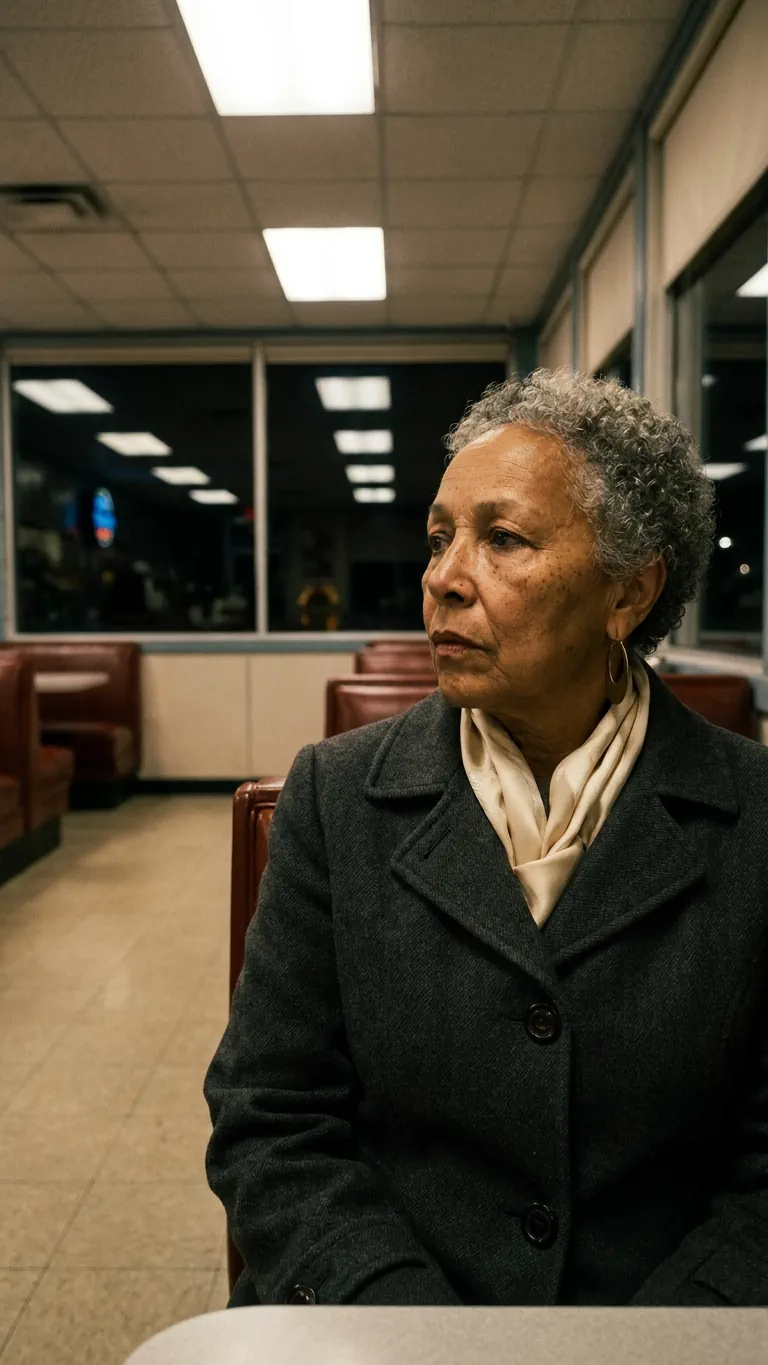









Episodes That Remember Each Other
A series links its episodes, so a new episode starts with the cast, the world and the tone already in place. New Episode is one click, and the recurring cast is already cast.
Scripted lines reach the video model verbatim, with a speaker and a delivery register. A shouted line is shouted. A whispered one is whispered. The voice you cast is reused in every shot that character speaks in.
Truly Vertical
The template locks 9:16, so every storyboard frame and every clip is composed for a phone, not cropped from a widescreen frame after the fact.

Submission Tracker
ReelShort, DramaBox, ShortMax and their peers have no publishing API. They are storefronts where you pitch and a team greenlights. The studio tracks every pitch, its status and what each platform asks for, next to the series it belongs to.






Runs of Shots as One Piece of Film
Select several shots and generate them as one continuous clip with native cuts, so a confrontation plays as a scene, not a stack of five-second fragments.
Microdrama industry statistics
Microdramas by the Numbers
The figures below are quoted as published by the primary sources named on each card, so they can be cited as they stand. PyxelJam Studio reviews them every quarter.
-
US$7.8B
In-app micro-series revenue predicted for 2026
Deloitte puts in-app revenue for micro-series at US$3.8 billion in 2025 and predicts it will more than double to US$7.8 billion in 2026.
-
850M+
Short drama app downloads, Q1 2026
Short drama apps passed 850 million downloads in the first quarter of 2026, up 140% year on year.
-
US$750M
In-app revenue, Q1 2026
Short drama apps earned roughly US$750 million in in-app purchases in Q1 2026, up 20% year on year; DramaBox and ReelShort each took close to US$140 million of it.
-
25 min
Time spent per user, April 2026
The average user spent 25 minutes a day inside short drama apps by April 2026, up 85% from January 2025; in Southeast Asia the figure is about 40 minutes.
-
¥100B+
China's micro-drama market, 2025
China's micro-drama market passed 100 billion yuan (about US$14.4 billion) in 2025, double the 2024 figure, with 33,000 micro-dramas released and nearly 700 million domestic users.
Source: National Radio and Television Administration of China, press conference of 7 February 2026
-
US$1.5B
Overseas revenue of Chinese micro-dramas, January to August 2025
Chinese micro-dramas earned US$1.5 billion outside China between January and August 2025, nearly three times the same period of 2024.
Source: China Netcasting Services Association, reported by Yicai Global (December 2025)
-
49%
United States share of global in-app revenue, Q1 2025
The United States generated 49% of the world's short drama in-app revenue in Q1 2025; Deloitte expects the US share to fall to about 40% in 2026 as other markets start to pay.
Source: Sensor Tower, State of Short Drama Apps 2025 (July 2025); Deloitte, TMT Predictions 2026
-
20.8%
Share of microdrama streams watched by women aged 35 to 44
Women aged 35 to 44 made up 20.8% of microdrama channel streams on YouTube in 2025, nearly double their 11.5% share of all YouTube viewing; women 45 to 54 added 15.7%, while men 18 to 24 accounted for only 6%.
Source: Digital i, study of five microdrama apps across 20 markets (March 2026)
-
32% / 23% / 22%
Download share of Southeast Asia, Latin America and India, Q1 2026
Southeast Asia (32%), Latin America (23%) and India (22%) supplied the majority of short drama app downloads in Q1 2026, each growing at a triple-digit rate year on year.
How big is the microdrama market in 2026?
Two figures frame it. Outside China, Deloitte puts in-app revenue for micro-series at US$3.8 billion in 2025 and predicts US$7.8 billion in 2026. Inside China, the National Radio and Television Administration reported a market above 100 billion yuan (about US$14.4 billion) in 2025, double 2024, with nearly 700 million domestic users. Sensor Tower measured roughly US$750 million of in-app purchases worldwide in the first quarter of 2026 alone.
Who watches microdramas?
Mostly women over 35. In Digital i's 2025 study of five microdrama apps across 20 markets, women aged 35 to 44 accounted for 20.8% of streams and women 45 to 54 for 15.7%, each roughly double their share of general YouTube viewing, while men aged 18 to 24 made up only 6%. Viewers are heavy users of short video in general: the same study found they watched 21.5 Shorts a day against 14.7 for the average YouTube user.
Which countries watch the most microdramas?
China by audience, the United States by spending, Southeast Asia by growth. China counted nearly 700 million micro-drama users in 2025. The United States produced 49% of global short drama in-app revenue in Q1 2025. Southeast Asia (32%), Latin America (23%) and India (22%) supplied most downloads in Q1 2026, and Southeast Asian users spend about 40 minutes a day in the apps, the highest of any region.
How fast is the microdrama market growing?
Faster than any other mobile entertainment category. Short drama app downloads rose 140% year on year to more than 850 million in Q1 2026, in-app revenue rose 20% to about US$750 million in the same quarter after growing almost fourfold the year before (US$178 million in Q1 2024 to nearly US$700 million in Q1 2025), daily time spent per user rose 85% between January 2025 and April 2026, and China's domestic market doubled in 2025.
Sources and method
Every number on this page is quoted as published by the source named beside it, with the period it covers. Sensor Tower figures count in-app purchases on the App Store and Google Play only, so ad revenue and web payments are not included. Currency conversions are the sources' own. Figures are reviewed each quarter and the review date is shown above.
How to Make a Vertical Drama with AI
Six steps, all inside one studio. The same steps a production would take, with the busywork handled.
-
1
Start from the Microdrama template
It locks the project to 9:16, sets the pacing guidance for hooks and cliffhangers, and shapes how the studio breaks your scenes.
-
2
Import or write the script
Final Draft, Fountain, PDF or plain text. Scenes, action and dialogue come in as themselves. A shot that describes three beats becomes three shots.
-
3
Cast once
A reference sheet per character, a wardrobe per story day, a voice cast per speaker. Episode forty uses the same faces as episode one.
-
4
Storyboard and direct
Free coverage for every scene, then real direction on each shot: framing, lens feel, the move, the delivery of the line. The studio tells you which directions the model will honour. Or paste a link to a scene you admire and shoot yours the same way.
-
5
Generate, with the checks on
Four takes a click. Every frame checked against the cast and wardrobe, breaks re-shot automatically. Runs continue with the tab closed.
-
6
Cut, export vertical, pitch
Assemble the episode here or export the timeline to your editor, every clip already cut on the action so the hook lands on frame one. Then track your submission to the vertical-drama platforms in the same place.
Microdrama Script to Video: A Clip Tool versus a Studio
| A prompt-to-clip tool | PyxelJam Studio |
|---|---|
| Describe each clip from scratch | Import the screenplay; scenes and shots are derived from it |
| Re-describe the character every time and hope | Cast once; every frame checked against the reference sheet and wardrobe |
| Dialogue invented by the model | Your lines, verbatim, with a delivery register and a cast voice |
| Crop widescreen output to vertical | Composed in 9:16 from the storyboard onward |
| Find out the cost on the invoice | A quote before every generation and a ceiling per project |
| Track your pitches in a spreadsheet | A submission tracker next to the series |
Microdrama Questions
Software that takes a vertical series from script to finished episodes with AI generation doing the shooting. PyxelJam Studio is one built as a production pipeline: the script drives the scenes, a cast library keeps faces consistent across episodes, dialogue is directed line by line, and finished episodes export vertical for the platforms.
Usually one to three minutes, vertical, with fifty to a hundred episodes in a season. The Microdrama template paces scenes for that shape: a hook up front, a cliffhanger at the end.
That is what the cast library and the continuity check are for. Each character has a reference sheet and a wardrobe per story day, every generated frame is checked against them, and a frame that drifts is re-shot and re-checked automatically.
No tool can. Those platforms have no publishing API; you pitch a series and their team greenlights it. PyxelJam Studio tracks each submission, its status and each platform's requirements next to the series, so the pitch process lives where the series was made.
Yes. Record a line in your own voice and the character delivers it with your timing, or perform it on your webcam and your expression and lip movement carry over. You can also build yourself as a character and act your own scenes.
It depends on length and quality tier, and you see the number before you generate. As a rough guide, a storyboard frame is 5 to 13 credits and a finished 1080p clip about 15 credits per second, with a credit worth one cent. Draft mode lets you iterate cheaply and upgrade the takes you keep.
Request Early Access
PyxelJam Studio is in beta and we're looking for people willing to test it - in exchange for free credits and a say in what gets built next.